


.svg)
.svg)


.svg)

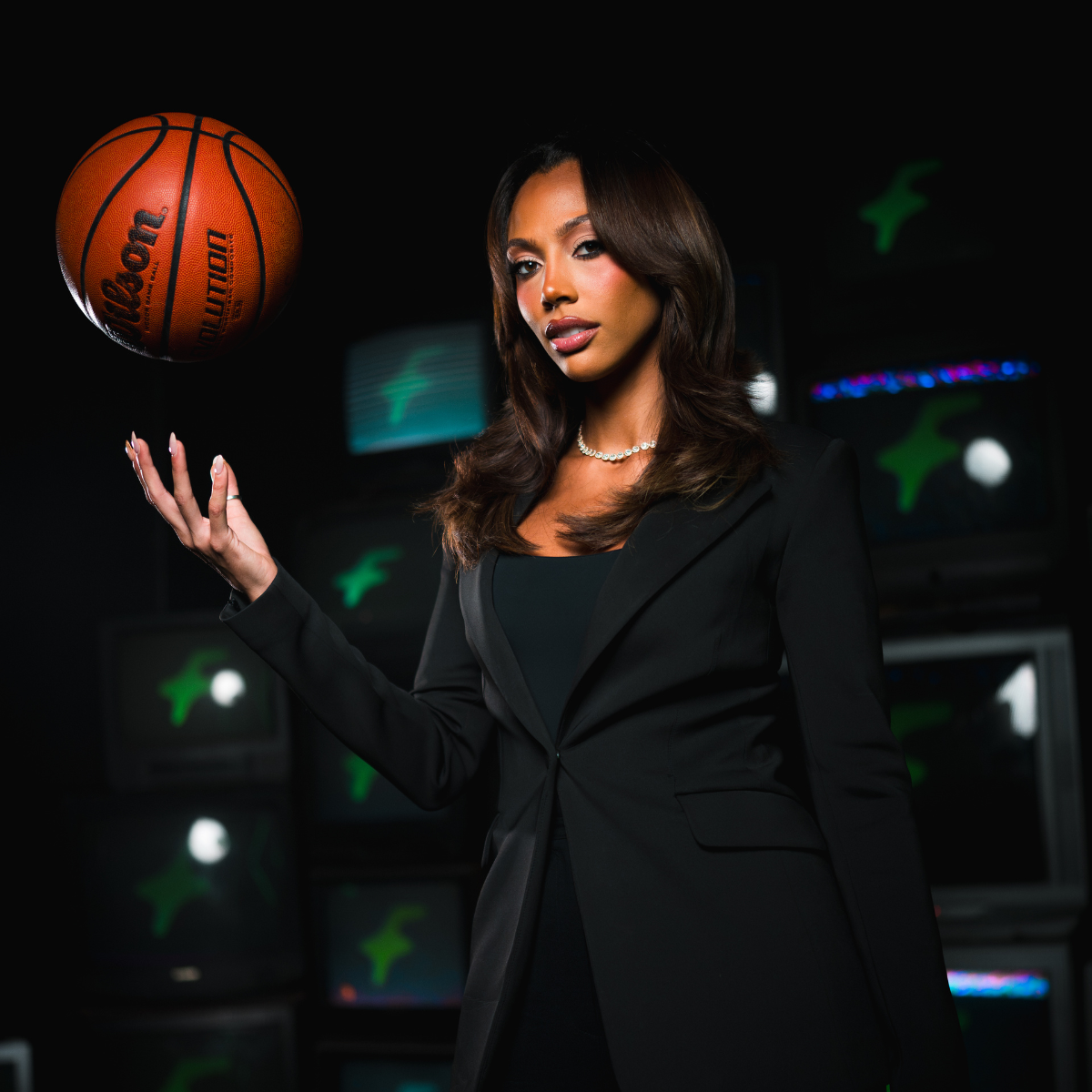
A week before she was due to report for the next stage of her season, WNBA player and high fashion model Kysre Gondrezick tore her Achilles during a workout. In a matter of seconds, her season was over before it had even begun. Instead of competing, she was facing surgery, months of rehabilitation, and a question every injured athlete eventually has to answer: who are you when the game is taken away?
For decades, athletes have built their public image around performance. Fans see the highlights, the wins, and the big moments, while everything between games stays largely out of view. Kysre’s injury challenged that model, showing that moments off the court could be just as meaningful as the ones on it.
Kysre’s story is the starting point for a much bigger conversation about how athlete-fan relationships are changing. This piece explores what’s driving that evolution and what it means for the future of fan engagement.
Kysre Didn’t Plan to Change Her Relationship With Fans
Following her Achilles injury, Kysre’s world revolved around rehabilitation post-surgery. Every day was spent rebuilding her strength and working through physical therapy—all with 1 goal: getting back on the court. Like many athletes, she never expected any of it to be seen by anyone else.
That’s why she found it frustrating when her mother insisted on recording parts of the recovery process from the beginning. “My mom was recording everything at the time, and it was just really annoying because I’m like, ‘Get the camera out of my face,’” she recalls.
But eventually, Kysre decided to watch the footage back for herself. “Once I got a chance to sit still and take a look back at the footage, I cropped it to like 5 seconds. I'm like, 'Let me just post this,’” she says.
Sharing it, though, took far more courage than simply pressing the “post” button. “I didn't post it until 3 days after my first day. I was just so nervous,” Kysre admits. The clip captured Kysre crying during the first day of rehabilitation—a side of herself fans had never seen before.
“It hit like 300,000 in like 2 minutes,” she recalls. “It was insane. All because people saw me cry for the first time.”
The reaction caught her completely off guard. What she had seen as a vulnerable, deeply personal moment became something thousands of people connected with almost instantly.
“That was like an eye-opener for me,” she says. “I’m like, ‘Okay, God, now I see why you did this. Because this is much bigger than being injured. This is about me operating in my purpose for people to see.’”
For years, fans had followed Kysre through basketball. But this time, they weren’t responding to a performance or a highlight; they were responding to the person behind the jersey. From that moment on, Kysre began rethinking how she connected with her fans.
Why Posting More Wasn’t the Answer
“I knew then and there that I needed to do something pretty exclusive where the fans would feel intimate with me instead of just posting on my social media,” she explains.
For Kysre, social media had already done exactly what it was supposed to do. It had helped her build a loyal audience and given her a platform to share her story with millions of people. But after opening up during her recovery, she began thinking about how she could take those relationships beyond what public social media was built for.
Part of that came down to the reality of trying to engage with such a large audience. While traditional social platforms made it easier than ever for people to discover and follow her journey, that same reach made it harder to maintain the kind of personal connection she wanted with fans.
“I don’t respond to anyone,” she adds. “It's not on purpose. It's just so much going on in my notifications.” With conversations scattered across thousands of comments, DMs, and notifications, each exchange was quickly absorbed into the constant flow of activity.
And conversations weren’t the only thing getting lost in the feed. Her story was, too. Kysre wanted her fans to follow her full recovery journey as it unfolded, not just isolated highlights. On traditional social media platforms, however, each post quickly gives way to the next, making it easy for even longtime fans to miss parts of the story.
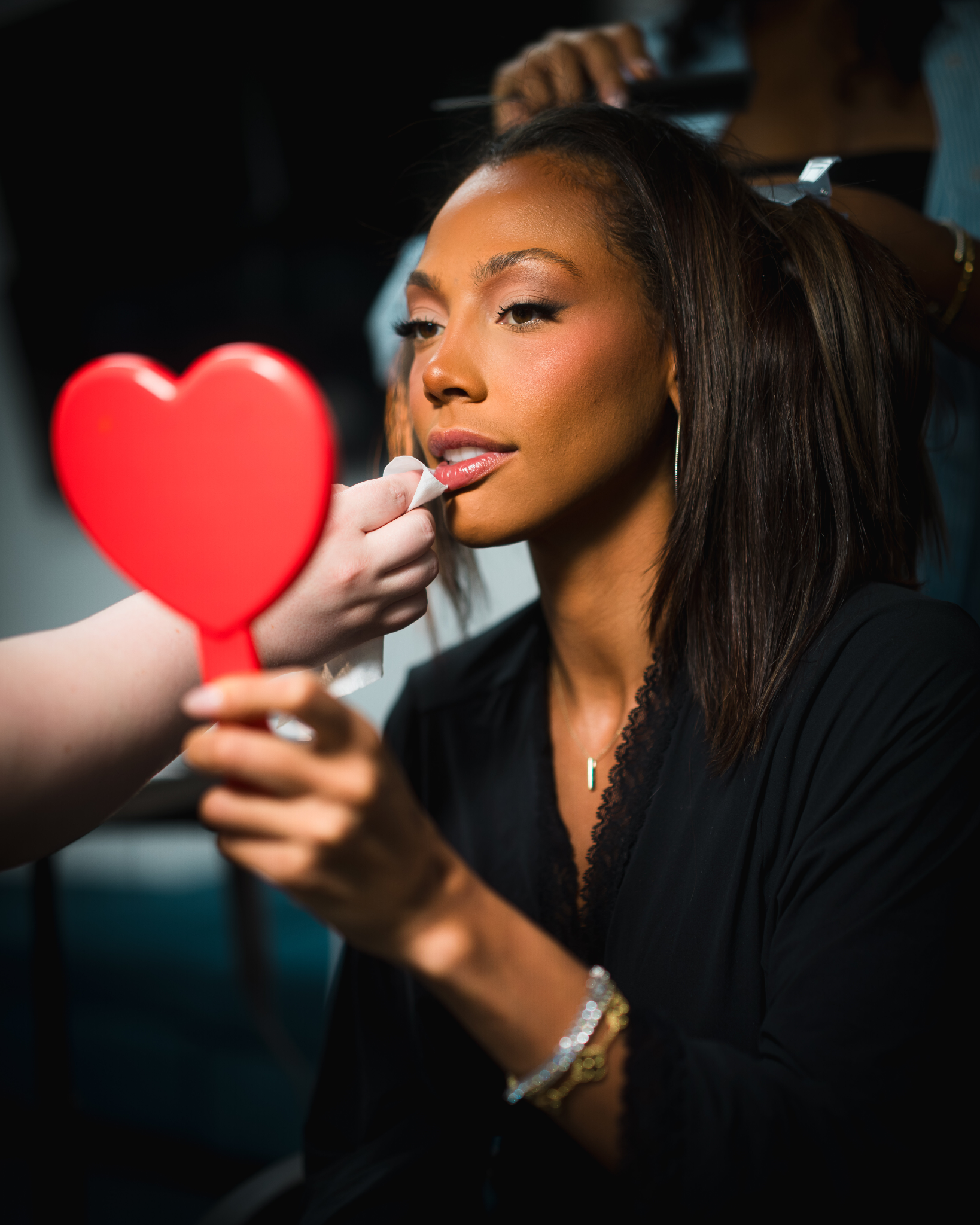
That’s why simply posting more and hoping that fans would piece together the full journey wasn’t the answer.
Instead, Kysre wanted to build on what social media had already made possible by creating a dedicated space where fans could feel closer to her than a public feed allows, with access to the moments, conversations, and behind-the-scenes experiences that naturally don’t belong alongside content designed for mass audiences.
She also wanted greater ownership over how she shared those moments and with whom. That search for a more intentional relationship with her audience is what drew her to Fanvue.
Why Fanvue Was the Next Natural Step
“When Fanvue presented the opportunity, I got really excited about it because I knew this would probably be the platform where I can be able to share a facet of Kysre that no one gets a chance to see,” she says.
The “facet of Kysre” wasn’t a new persona. Rather, it was the version of herself she’d discovered throughout her recovery: the one fans had briefly seen in that emotional rehabilitation video but hadn’t had the chance to follow beyond it.
“Whether that's selfies that haven't been posted yet, behind-the-scenes footage of my recovery … footage of me being on set ... just being able to give the fans direct access to Kysre that they may feel distant with following my regular social media platforms.”
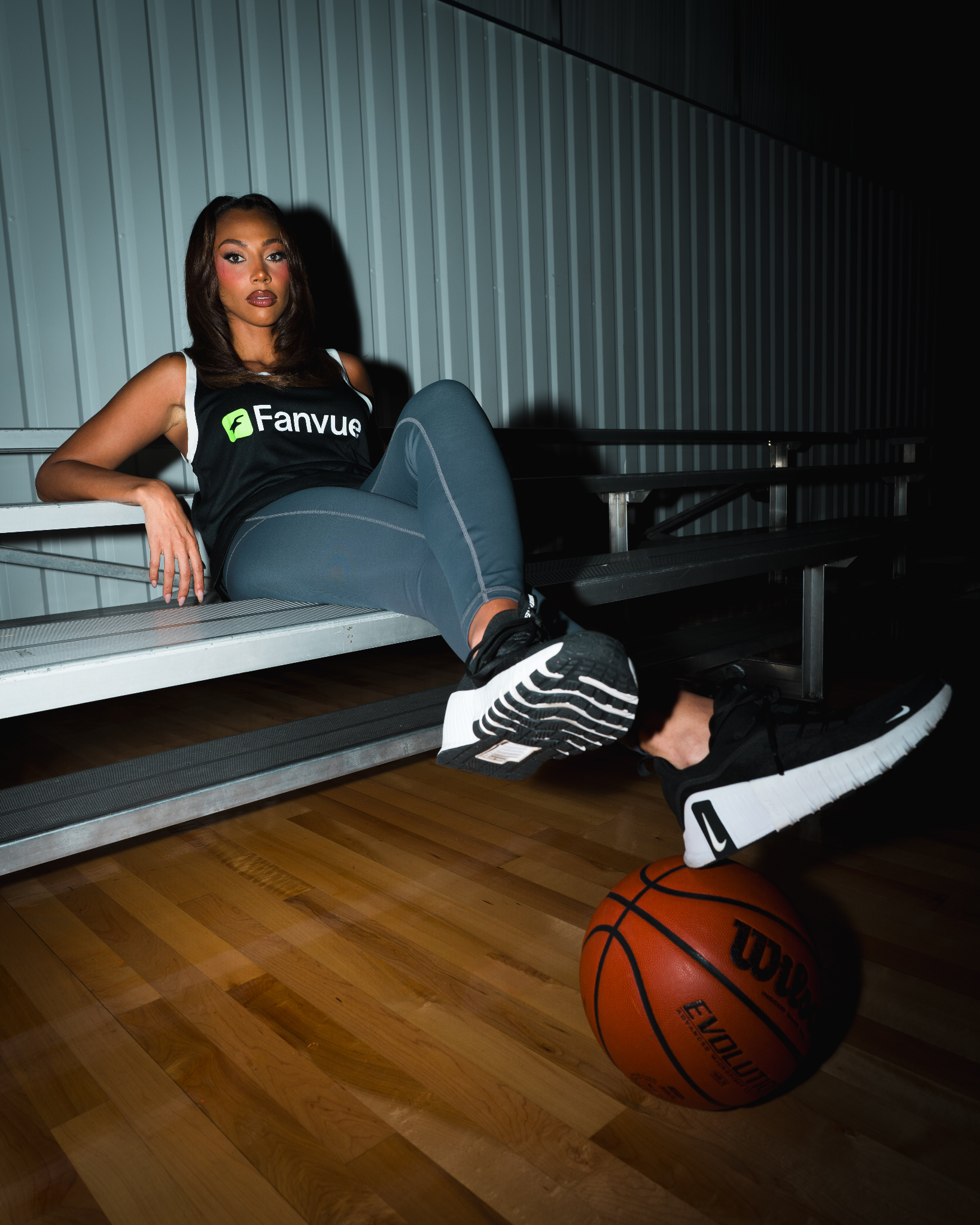
Fanvue’s subscription model gave Kysre the freedom to decide what would live on her public profiles and what would be reserved for fans who wanted a closer look. Instead of leaving those moments to compete for visibility in an algorithm-driven feed, she could create a more continuous, exclusive experience for the people who had actively chosen to be there.
But sharing more of herself was just Kysre’s first step. She also wanted her conversations to reflect the same level of intention as the content itself. Fanvue’s direct messaging gave her a way to build on those interactions, making it easier to turn brief exchanges into ongoing conversations.
And Fanvue’s AI tools will give Kysre a way to preserve that sense of closeness when connections scale up. AI voice notes, calls, message responders, and avatars mean she can extend the personal experience she’d set out to create to more fans without losing what made it valuable in the first place.
However, beyond the tools, for Kysre, choosing Fanvue was about having the freedom to decide how she connected with her fans and how she turned that connection into a business.
“This is more about connecting directly with my audience, showing more of who I am, and building a business on my own terms,” she says. “I believe athletes should have ownership over their audience and ultimately how they show up publicly.”
Instead of the relationship being shaped primarily by your chosen platform, it’s shaped by you, the creator behind it. As Kysre puts it: “This time, I’m controlling my own narrative.”
Kysre’s Story Is Part of a Much Bigger Shift
Kysre’s story isn’t just about an athlete’s recovery. It’s a glimpse into how the playbook for building a successful sports career is changing. Three shifts, in particular, are driving that evolution.
Athletes are building brands beyond competition
Fans don’t just want to watch athletes compete anymore. They want to follow the people behind the performance—seeing how they train, recover, travel, celebrate milestones, and navigate the realities of life as a professional athlete. Those moments build the kind of connection that game-day highlights can’t.
And that’s changing what it means to build a successful athletic career. More athletes are thinking like creators, turning the moments between match days and competitions into part of their personal brand. Instead of limiting their story to wins and losses, they’re giving fans a real reason to stay invested every day

It’s a shift that reflects a reality many athletes have long understood: “athlete” was never the whole story. As Kysre puts it:
“The word ‘athlete’ always felt too small. Some of us are just designed to do more. Endless hours from game to game, across time zones, living a lifestyle most people just couldn't keep up with. We spend our lives on the court, and build businesses in the background. What if I can just take the whole world with me?”
With more athletes aligning with that thinking, personal branding is becoming less of a side project and more of a core part of their careers.
Social media is becoming the discovery engine, not the destination
Social media isn’t going anywhere. It’s still where athletes reach new audiences and grow their visibility. But it’s no longer enough to build a lasting fan business on its own—because while social platforms are designed to maximize reach, they weren’t built to foster deeper, longer-term relationships.
Algorithms change, content gets buried, and conversations get lost in crowded comment sections and DMs. As a result, platforms like Instagram, TikTok, and X are becoming the first touchpoint—a way for fans to discover an athlete—rather than the final destination.
Athletes are using social media to grow awareness and attract followers, then guiding their most engaged audience to fan engagement platforms like Fanvue, where they can build direct relationships, share exclusive experiences, and create more sustainable revenue streams.
The future isn’t choosing between social media and fan platforms—it’s using each for what it really does best.
Direct-to-fan relationships are becoming the next monetization model
For so long, an athlete’s earning potential depended on sponsorships, media deals, and the size of their audience. The bigger the following, the bigger the commercial opportunities. However, the value of that audience was largely determined by brands, broadcasters, and social platforms.
Today, athletes are taking a different approach. Instead of treating fan engagement as something that supports their career, they’re turning it into part of the business itself.
Every subscription, exclusive drop, live stream, or members-only experience creates a direct line between athlete and fan—one that generates value independently of advertisers, broadcasters, or ever-changing algorithms.

Where a viral post might generate millions of views for a fleeting moment, a fan who chooses to support an athlete month after month creates far greater long-term value.
The relationship itself is becoming the asset—driving recurring revenue, building loyalty, and giving athletes more control and ownership over their business than reach alone ever could.
The New Era of Athlete Branding Begins Between the Highlights
Recovering from injury gave Kysre something she hadn’t expected: the chance to show a side of herself beyond basketball. In the process, vulnerability became more than a way to connect with fans—it became a way to rediscover who she is beyond the labels attached to her career. She reflects:
“We live in a society where people define themselves based off of what they do instead of who they are. So this has given me a chance to really learn who Kysre is outside of the labels based off of what she does. And it's been the most beautiful experience.”
Now, she’s ready to build on it. For Kysre and many athletes, the ability to have closer connections with fans heralds a new era of athlete branding and business ownership.
“Wherever I go, my fans have a front row seat powered by the platform that lets me do it my way,” says Kysre.
.png)

.svg)

.svg)
.svg)
.svg)
.svg)
.svg)
.svg)
.svg)